
Understanding the importance of mobility aids for independence
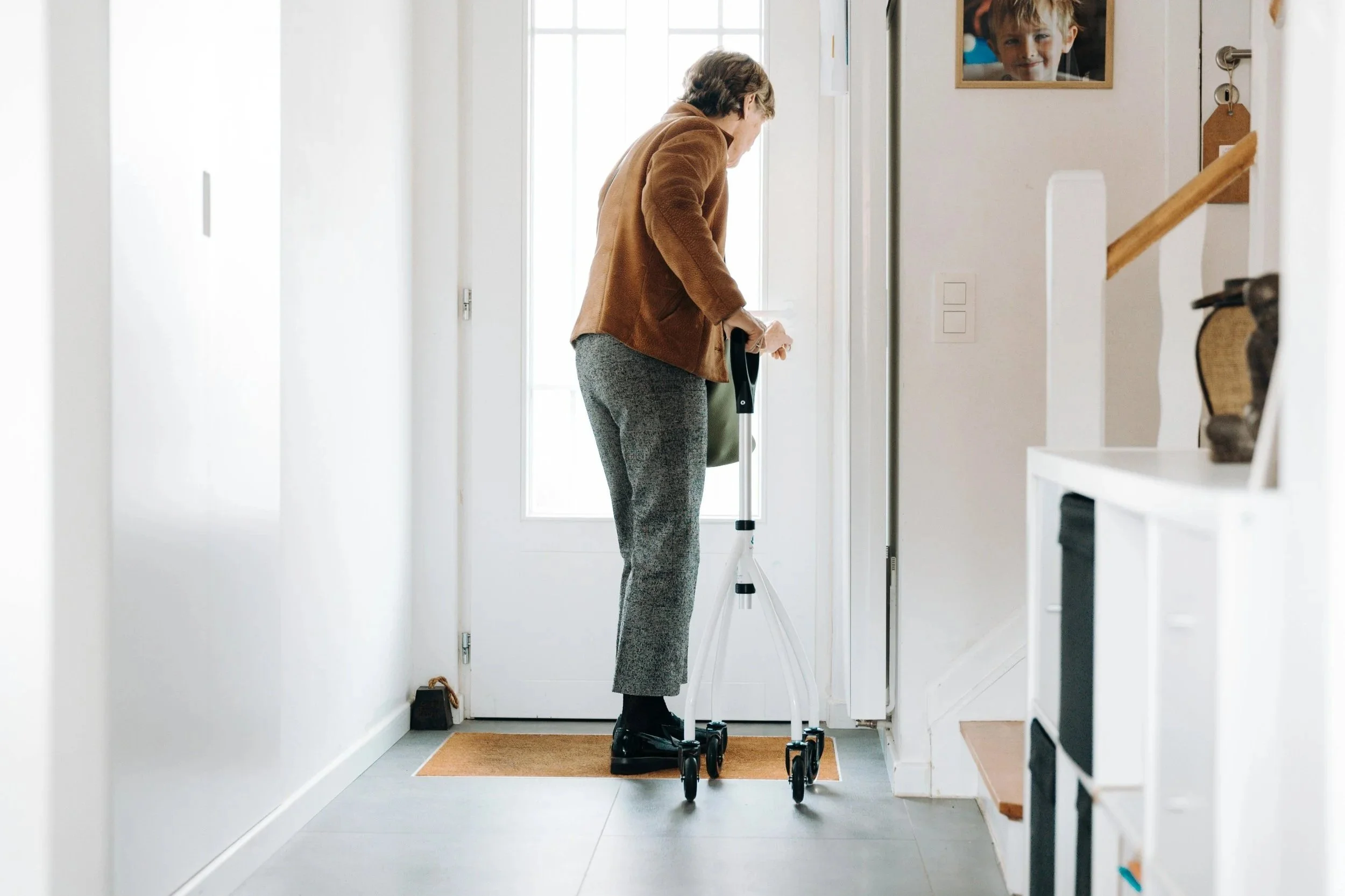
Maintaining independence is something many of us take for granted, until movement becomes harder. For individuals living with mobility challenges, reduced strength, balance, or coordination can quickly impact confidence, safety, and participation in everyday life. That’s where mobility aids can make a meaningful difference.
Whether you’re a support worker, case manager, aged care professional, or someone navigating mobility changes yourself, understanding how mobility aids support independence is key to improving quality of life and long-term outcomes.
What are mobility aids and why do they matter?
Mobility aids are tools designed to support movement, stability, and safety. More importantly, they help people continue doing the things that matter most, moving around their home, getting out into the community, and maintaining control over daily routines.
When the right mobility aid is introduced at the right time, it can:
Reduce the risk of falls and injuries
Improve confidence and safety when moving
Support energy conservation and reduce fatigue
Enable greater independence with daily tasks
Support participation in social and community activities.
Rather than being a sign of ‘giving up’, mobility aids are often a proactive step towards staying active and independent for longer.
Common types of mobility aids
There is no one-size-fits-all solution. Different mobility aids suit different needs, environments, and goals.
Canes and walking sticks
Often used for mild balance or strength issues, canes provide additional stability and confidence during short distances.
Walkers and frames
Ideal for individuals who need more support, walkers help with balance, posture, and weight distribution, making walking safer and more controlled.
Wheelchairs
Manual or powered wheelchairs support individuals who cannot walk long distances safely or independently. They can significantly increase community access and reduce fatigue.
Mobility scooters
Best suited for longer distances, scooters help individuals maintain independence outdoors while conserving energy and reducing strain.
Each of these mobility aids can be life-changing when matched correctly to the person using them.
When should a mobility aid be considered?
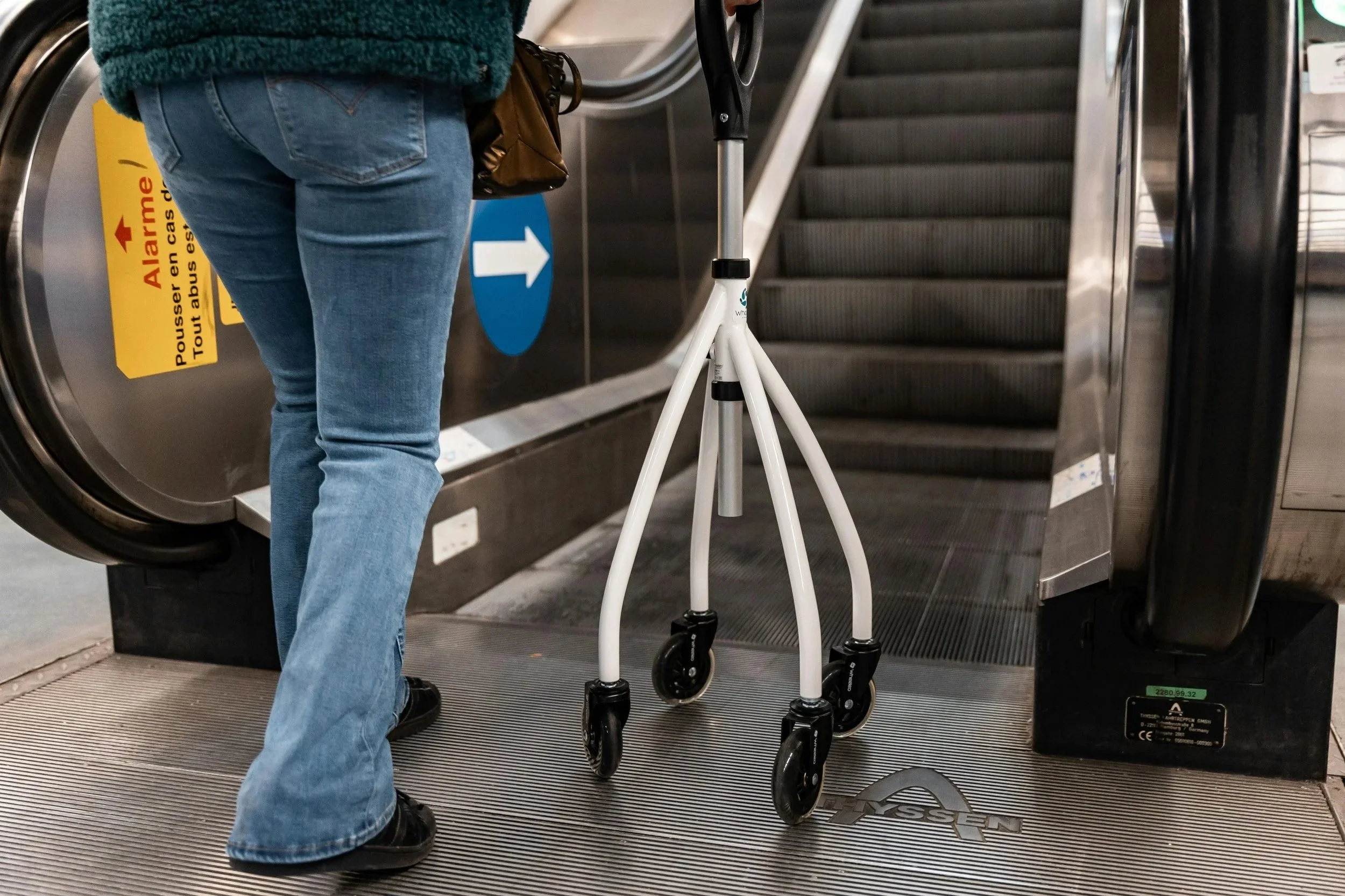
Mobility aids aren’t just for ‘later stages’ or after a serious fall. Early consideration can often prevent injuries and support independence sooner.
You may want to explore mobility aids if:
Walking feels unsafe or exhausting
There is a history of falls or near-falls
Daily tasks are becoming harder to manage
Community access is limited due to mobility concerns
Support workers or carers are increasingly assisting with movement.
Early intervention often leads to better outcomes and greater confidence.
Choosing the right mobility aid
Selecting the right mobility aid should always be personalised. Factors to consider include:
Individual strength, balance, and endurance
Home layout and environmental barriers
Community access needs
Long-term goals and lifestyle
Funding considerations (NDIS, aged care, private)
An occupational therapist or physiotherapist can assess these factors and recommend the most appropriate solution, ensuring safety, comfort, and long-term usability.

Mobility aids as tools for empowerment
At their core, mobility aids are about freedom. They support people to move with confidence, maintain autonomy, and stay connected to their world. For referrers and carers, the right mobility aid can reduce risk and support better outcomes. For individuals, it can mean regaining control over everyday life.
It’s also important to acknowledge that mobility aids have changed significantly in recent years. Many people hesitate to use them due to outdated perceptions, that walkers or other aids are only for older people, bulky, or limiting. When, in reality, modern mobility aids are far more lightweight, adjustable, and user-friendly, with options such as aluminium or carbon fibre frames designed to look and feel modern while supporting independence.
Talking with a physiotherapist or occupational therapist can help individuals and their support teams understand the latest options available and choose an aid that truly fits their lifestyle and goals.
Need help choosing the right mobility aid for your needs?
Contact us today for expert guidance and support in finding the perfect solution to maintain your independence.